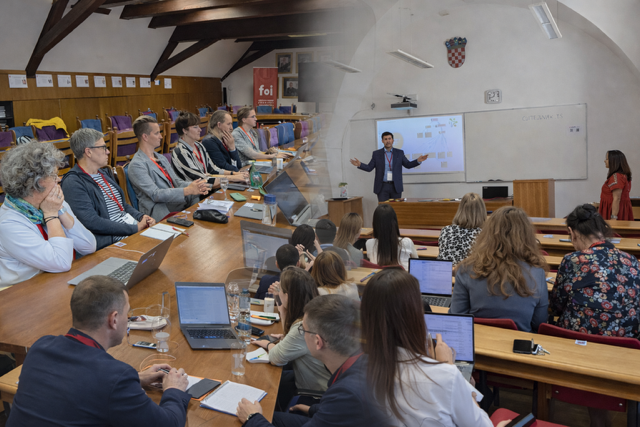
Embedding Digital Competences through Institutional Commitment at UNIZG FOI
At the Faculty of Organization and Informatics (FOI), University of Zagreb,
participation in the CUTIE – Competences for University Teaching & Institutional
Empowerment project has provided a valuable opportunity to reflect on how digital
teaching competences can be developed in a structured, sustainable, and
institutionally embedded way. Rather than viewing digital competence development
as a series of isolated training activities, CUTIE has encouraged FOI to adopt a
strategic perspective that connects pedagogy, student voice, and institutional
governance.
A key step in this process was close collaboration with existing institutional bodies.
FOI organised a dedicated meeting with the E-learning Committee and
representatives of faculty management to explore how CUTIE aims could be aligned
with existing quality-assurance and staff-development frameworks. As a concrete
outcome, selected CUTIE outputs were formally integrated into the Annual Teacher
Training Plan, which forms part of the official work programme of the Faculty Quality
Committee. This ensured that CUTIE results would extend beyond the project
timeline and become embedded within FOI’s regular professional development
processes.
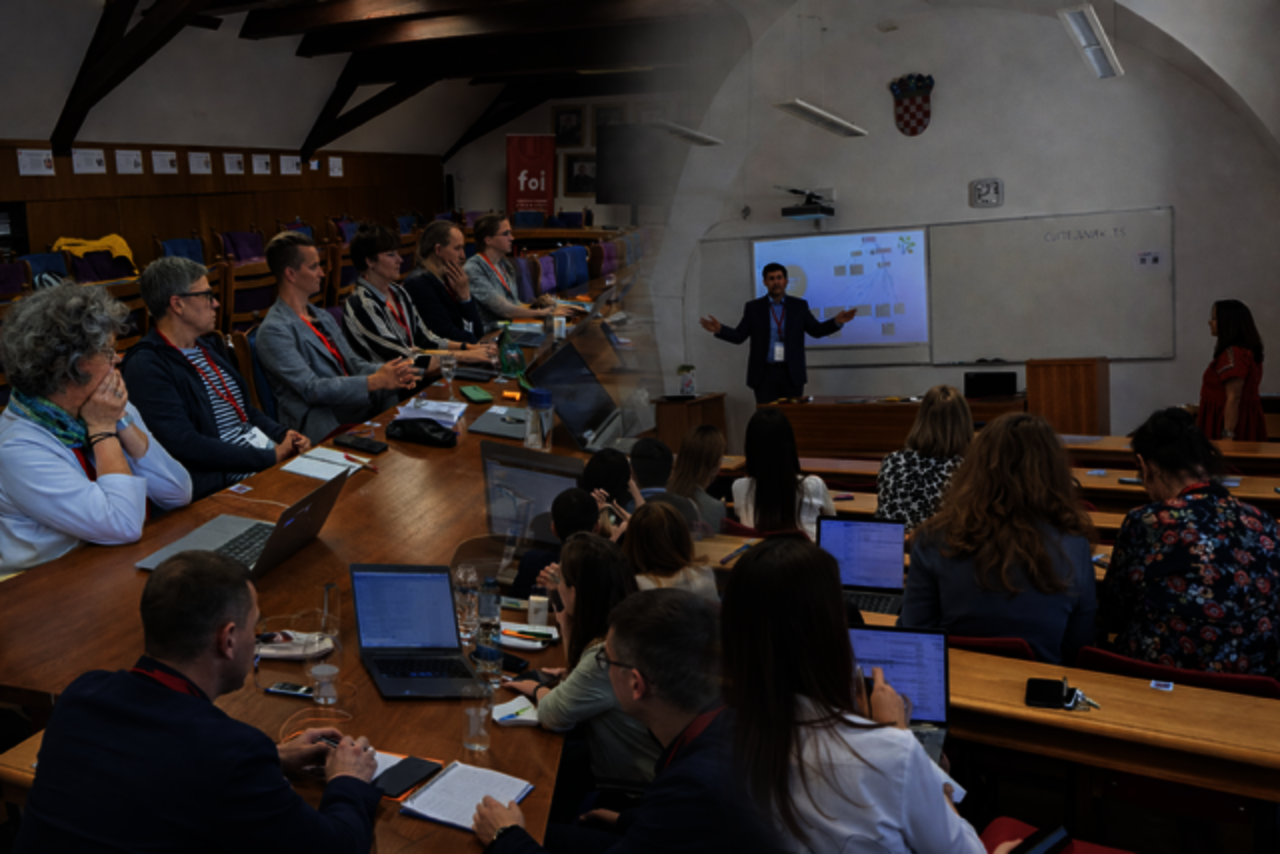
Leadership-level engagement was another important aspect of FOI’s involvement in
CUTIE. Through the Laboratory for Advanced Technologies in Education (LATE),
FOI organised a workshop for teachers, programme directors, and heads of
departments. The workshop addressed institutional digital readiness, governance
models for digital transformation, and the strategic use of student feedback.
Participants explored how CUTIE results can support evidence-based decision-
making and long-term planning related to teaching quality and digital innovation. The
strong engagement and follow-up commitments demonstrated the importance of
addressing digital competence not only at the level of individual teachers, but also at
the level of department and study program.

CUTIE’s strong emphasis on student voice has also shaped FOI’s approach to digital
teaching development. Project insights highlighted the limitations of traditional end-
of-course surveys and the need for more continuous, meaningful student feedback
and active support throughout semester. These reflections informed discussions at
FOI on piloting micro-feedback approaches and student co-creation activities within
several selected undergraduate and graduate courses. Such initiatives aim to
support teachers in refining their digital teaching practices while positioning students
as active partners in educational improvement.
Overall, the CUTIE project has reinforced the importance of alignment between
pedagogical innovation and institutional processes, between staff development and
quality assurance, and between teacher competences and student experience. By
embedding CUTIE outcomes into formal structures and engaging both academic
staff and institutional leaders, FOI has taken important steps toward a sustainable
and coherent model for developing digital competences in higher education.