Empowering HE Managers for local development - summary
As part of our project, partners from different countries carried out a wide range of local
activities. Although diverse in form and scale, they all shared a common goal: supporting
the development of academic and managerial staff, experimenting with new
approaches to teaching and learning, and introducing digital innovation – including AI-
based tools – in a responsible way.
Below, we’ve brought together the key activities and grouped them into a few thematic
areas to give a clear picture of what was happening across participating institutions and
countries.
1. Professional development and training (CPD)
One of the core areas of the project focused on professional development for academic
staff, programme leaders and institutional managers. Partners delivered Continuous
Professional Development (CPD) modules on management and leadership, ran pilot
sessions for heads of programmes, and developed courses and workshops dedicated to
digital skills and the use of generative AI in teaching.
The most significant activity within this area was the design, development and delivery
of the course “Digital Leadership in Higher Education”, hosted on the national open
learning platform opencourses.ie. The course attracted 304 registered participants, and
50 of them successfully completed it, earning an official certificate and digital badge.
Alongside this flagship course, the project included more than a dozen additional
training activities, delivered both on campus and online, reaching dozens – and in some
cases hundreds – of participants.
Partners involved: UG (University of Galway), UMU (Universidad de Murcia), AGH (AGH
University of Science and Technology), UNIZG (University of Zagreb), UCPH (University
of Copenhagen).
2. Workshops, pilots and stakeholder engagement
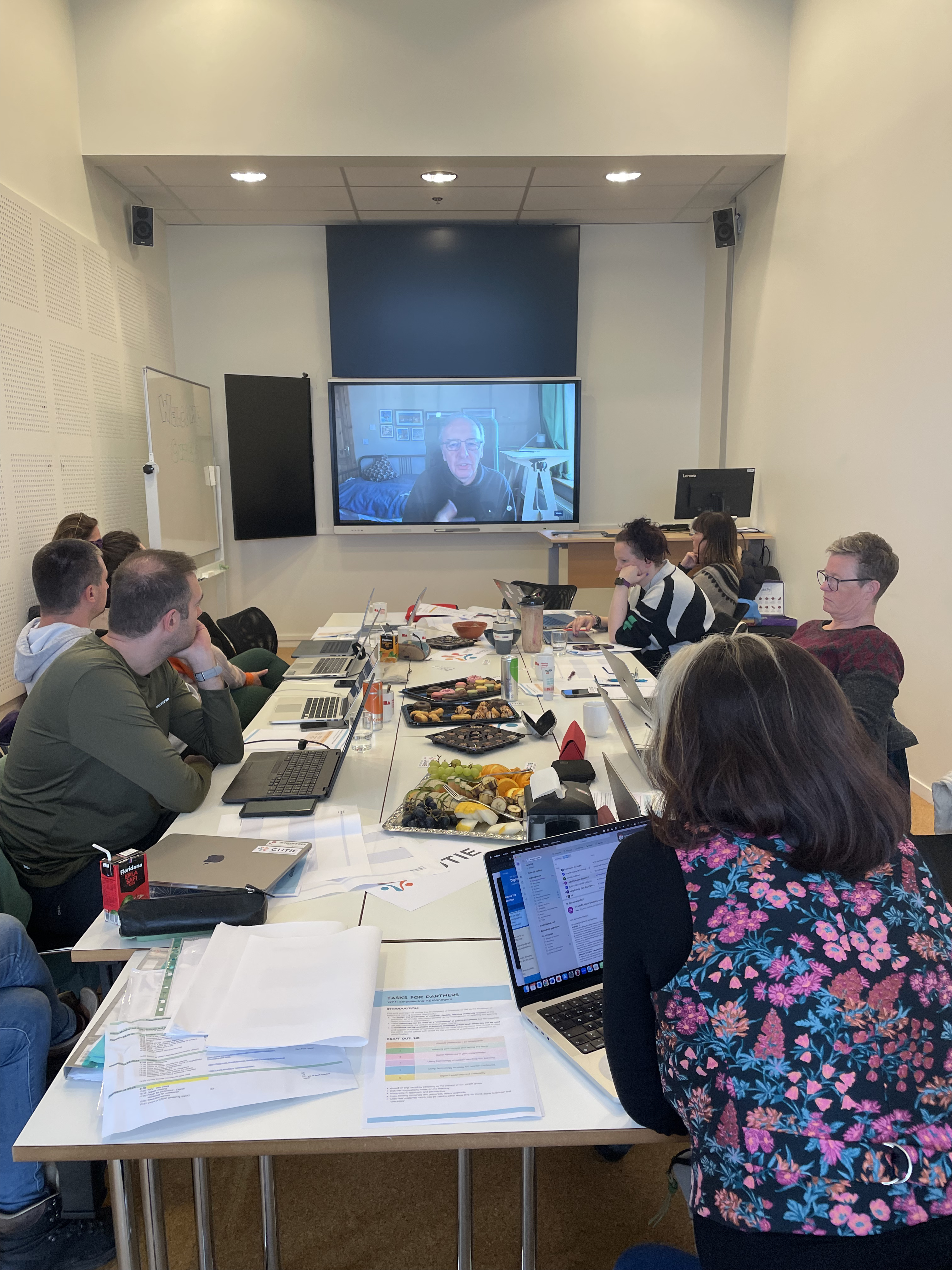
A strong emphasis was placed on workshops and pilot activities carried out together
with those who shape study programmes and teaching practice on a daily basis.
Meetings with lecturers, students, programme leaders and administrative teams made it
possible to test new solutions in real settings, gather feedback and better adapt them to
local needs. In total, several pilot sessions and consultative workshops were organised,
often targeting key decision-making groups within the institutions.
Partners involved: UG (University of Galway), UNAK (University of Akureyri), UNIZG
(University of Zagreb), AGH (AGH University of Science and Technology).
3. Institutional policies and managing change
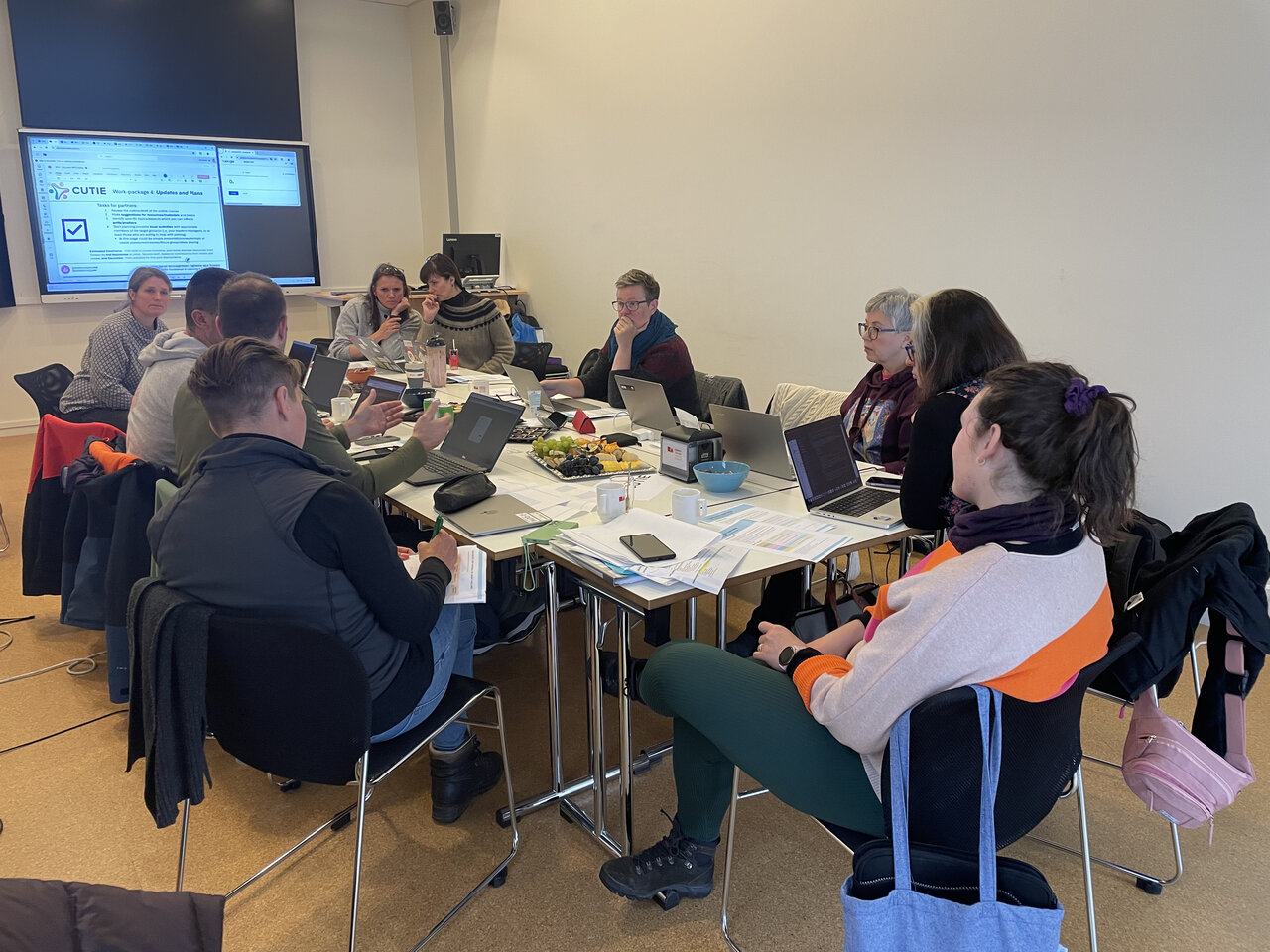
Some activities focused on the institutional level. Partners set up working groups, met
with university leadership and prepared recommendations related to digitalisation and
the use of generative AI. In several cases, these efforts directly fed into the work of
senate committees, quality assurance bodies or strategic development teams,
influencing longer-term organisational decisions.
Partners involved: UNAK (University of Akureyri), AGH (AGH University of Science and
Technology), UCPH (University of Copenhagen).
4. Digitalisation and future skills
The project also included initiatives that took a broader look at digitalisation and future
skills. These addressed topics such as digital humanities, the role of technology across
disciplines, and long-term planning for the development of student and staff
competences. Several activities in this area were strategic and conceptual in nature,
serving as a starting point for further institutional initiatives.
Partners involved: UMU (Universidad de Murcia), AGH (AGH University of Science and
Technology), UNIZG (University of Zagreb).
5. Sharing results and international collaboration
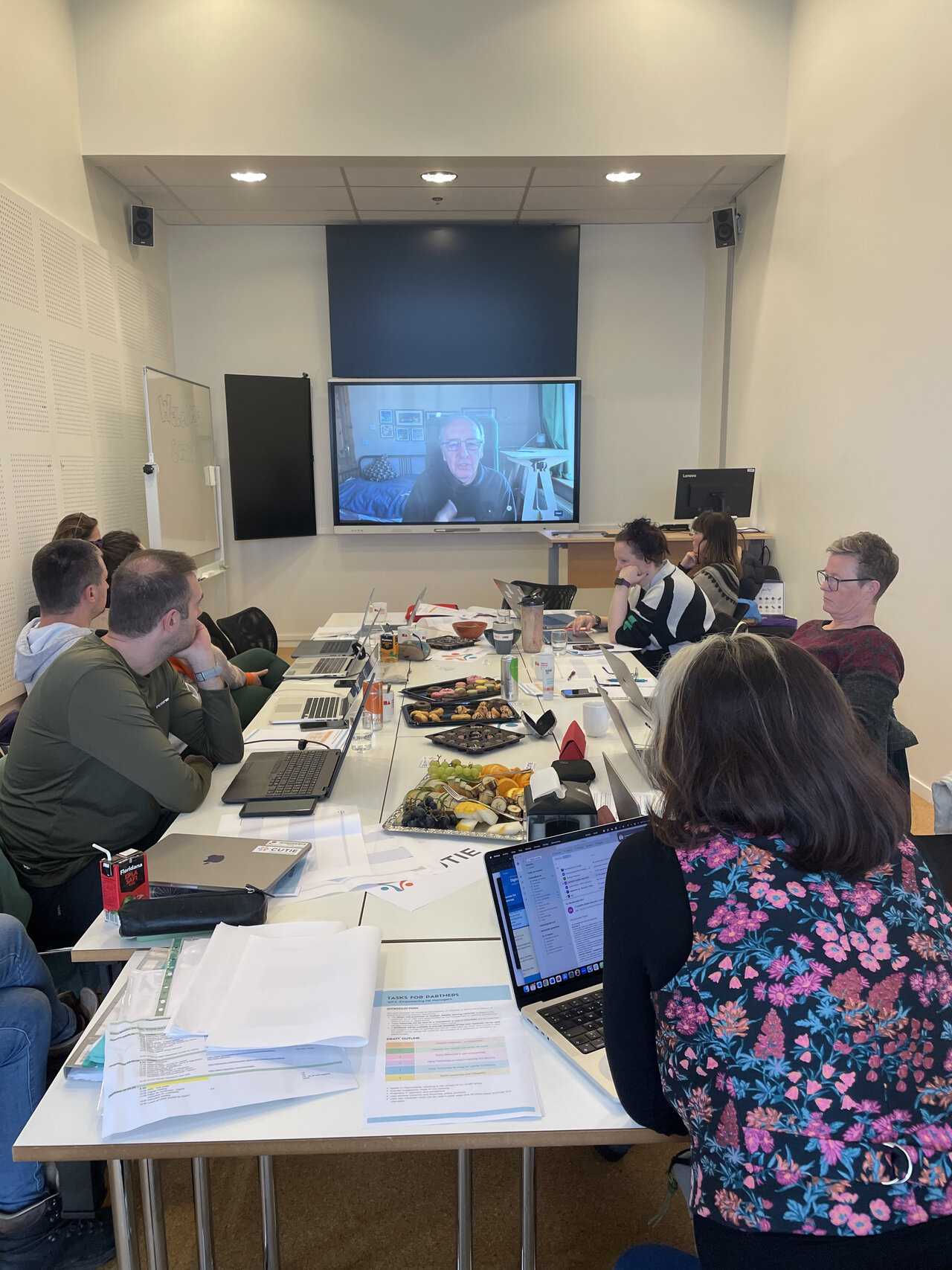
Partners actively shared their experiences and project outcomes beyond their own
institutions. Results were presented at conferences, networking events and international
meetings, including events with a European and global reach. Overall, the project was
visible at several external events, helping to spread ideas and inspire a wider higher
education community.
Partners involved: UMU (Universidad de Murcia), UNAK (University of Akureyri), UNIZG
(University of Zagreb), UCPH (University of Copenhagen).
6. Impact and sustainability
Altogether, the project delivered more than 25 local actions in collaboration with seven
partner institutions from across Europe. These included training activities, workshops,
pilot projects, strategic work and dissemination efforts.
The impact went beyond individual events. Hundreds of participants strengthened their
competences, while topics such as digitalisation and AI found their way into institutional
discussions and decision-making structures. The project showed that meaningful change in higher education often starts locally – with dialogue, experimentation and cooperation between people who are willing to learn from one another.