Participating in Projects: UNAK story
Taking part in the CUTIE project as the University of Akureyri has been both a privilege
and a profound learning journey. As one of Europe's smallest universities, located in
northern Iceland, we recognise the importance of international collaboration in our
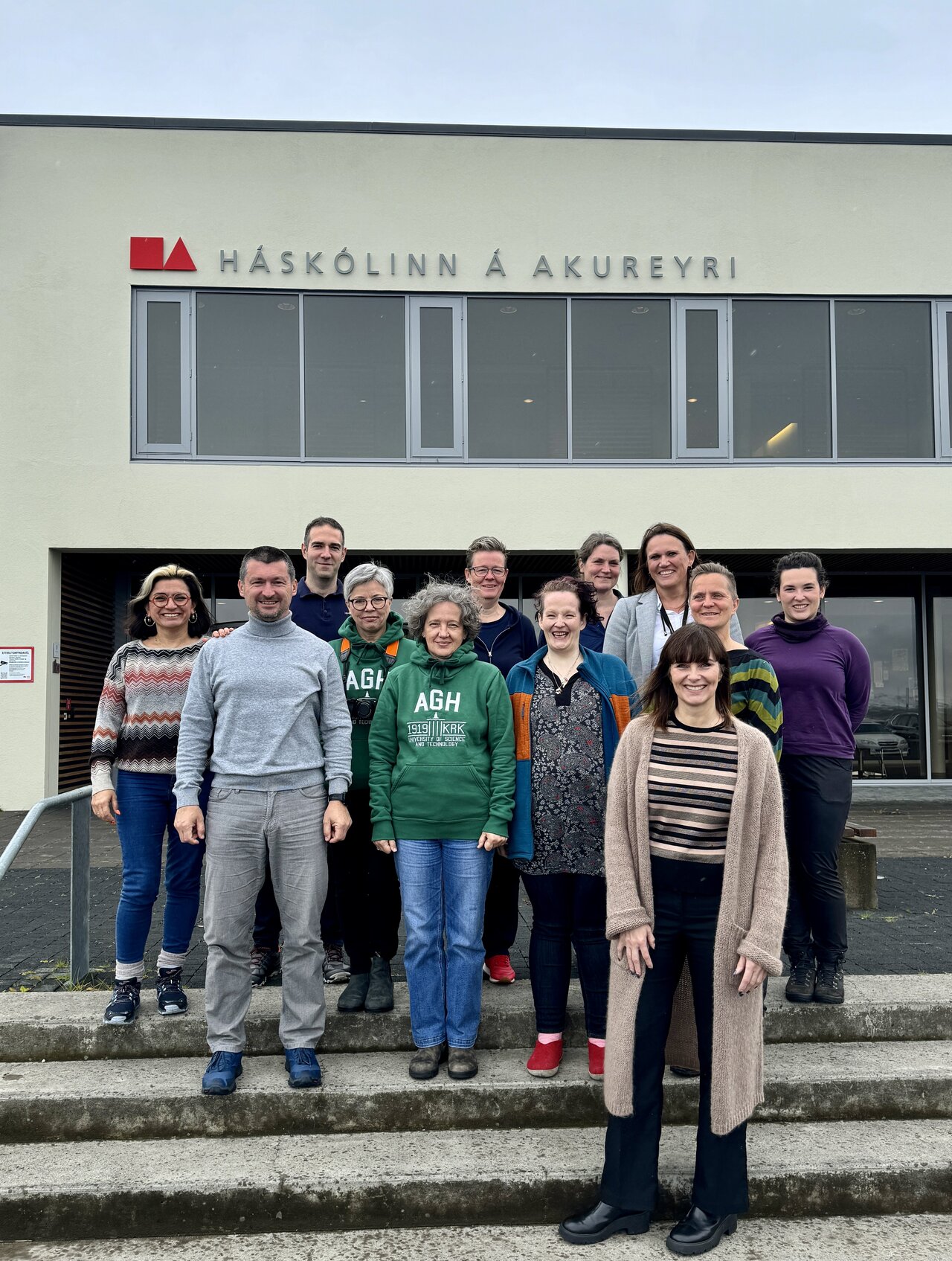
development. CUTIE has enabled us to connect with colleagues from Murcia,
Copenhagen, Galway, Kraków, Zagreb, and Steyr/Linz — partners who have become
not only collaborators but true companions in thinking, building, and dreaming about the
future of digital education.
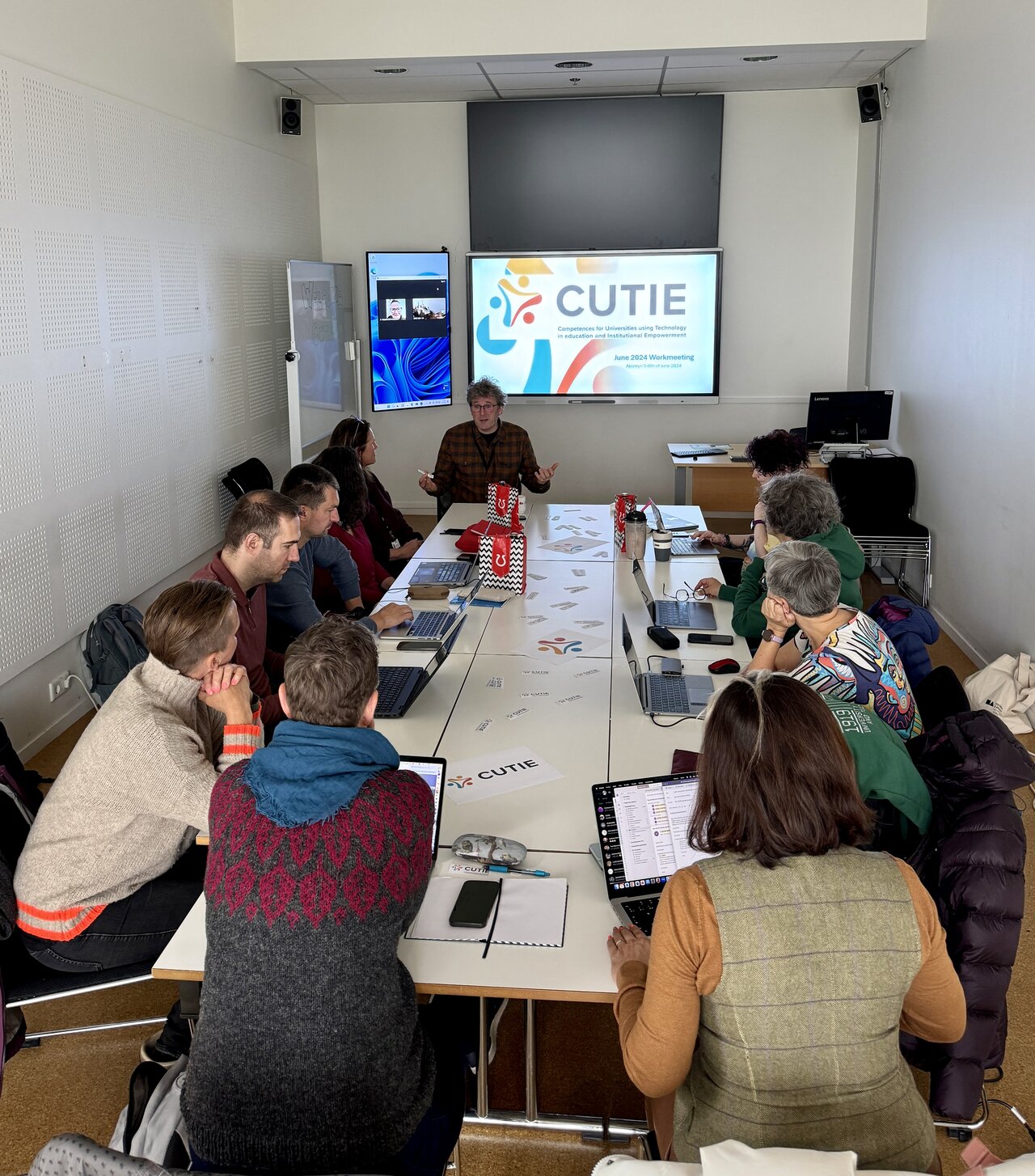
What stands out most from our CUTIE experience is the quality of our partnership. Each
meeting, whether online or on-site, has been a space where generosity, creativity, and
commitment flourished. The ease of communication, the constant sense of support, and
the shared ambition to strengthen digital competences across Europe have shaped a
working environment that feels both highly professional and deeply human. This spirit
has been at the heart of every achievement in the project.
At UNAK, CUTIE has opened the door to meaningful co-creation with our students. At a
small university, students are at the core of our academic life and involving them in
shaping students' and teachers' digital competences has been inspiring. Their
perspectives, honesty, and innovative ideas have enriched our understanding of the
DigCompEdu framework and pushed us to design learning that reflects their realities.
Seeing students take on an active role in institutional development has been one of the
most rewarding aspects of the project.
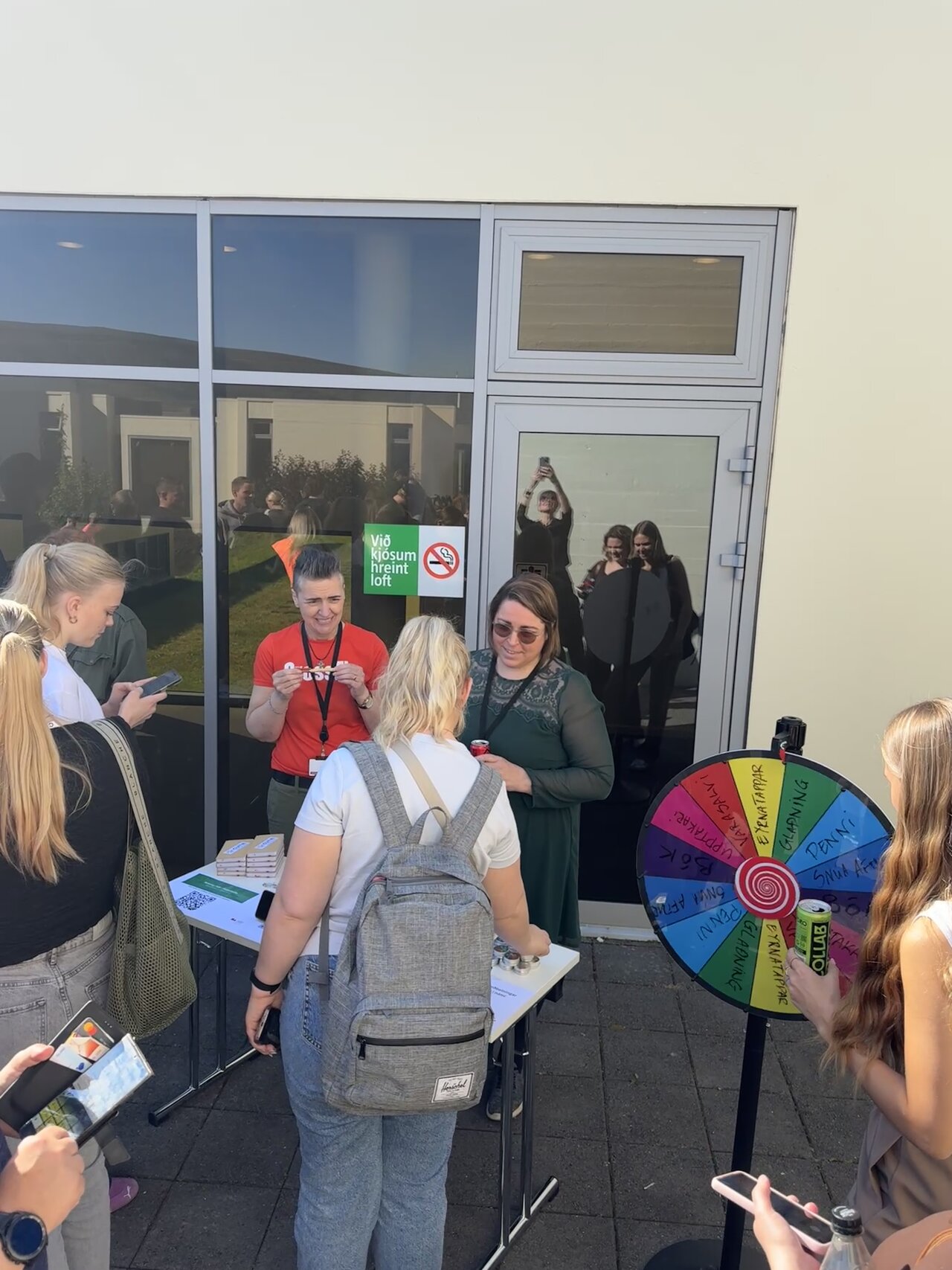
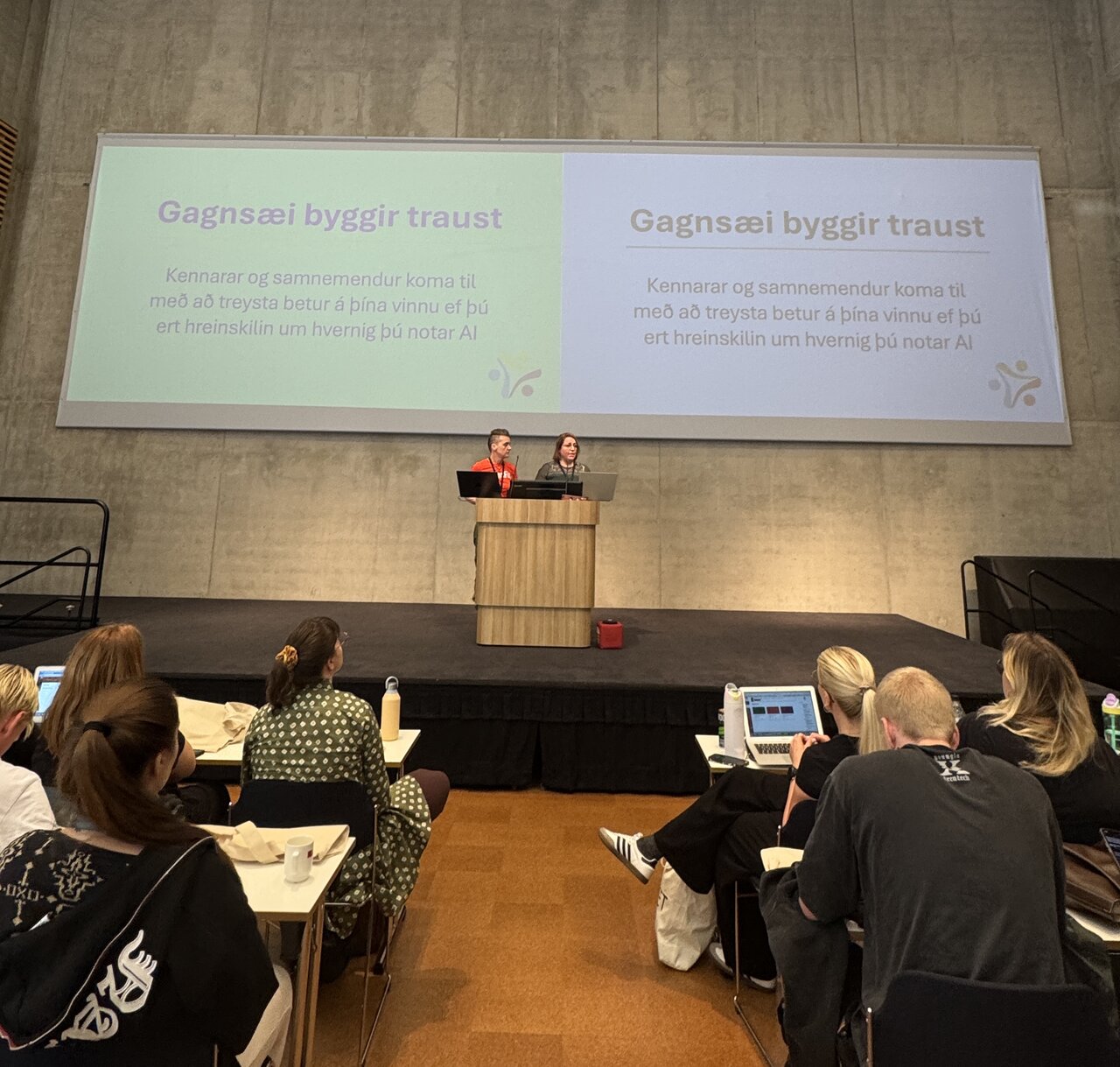
Another highlight we are particularly proud of is our national conversation on the role of
Generative AI in higher education. Inspired by CUTIE's focus on digital transformation,
we launched a series of open lunch seminars on the usage of GenAI. What began as a
local initiative quickly grew into something much larger. Over the course of the series,
we received hundreds of participants, including teachers, students, administrators, and
colleagues from other Icelandic institutions. These seminars not only informed but also
ignited discussion. They created space for difficult questions, encouraged reflection on
responsible use, and helped shape the broader debate at our university.
Equally important has been the work with our staff. CUTIE has given us the structure,
language, and motivation to deepen discussions around digital competence—not as a
technical checklist but as a foundation for high-quality, inclusive, and forward-looking
teaching. Through workshops, seminars, and internal development initiatives, we have
seen increased awareness, curiosity, and confidence among teachers—and that impact
reaches far beyond the project itself.
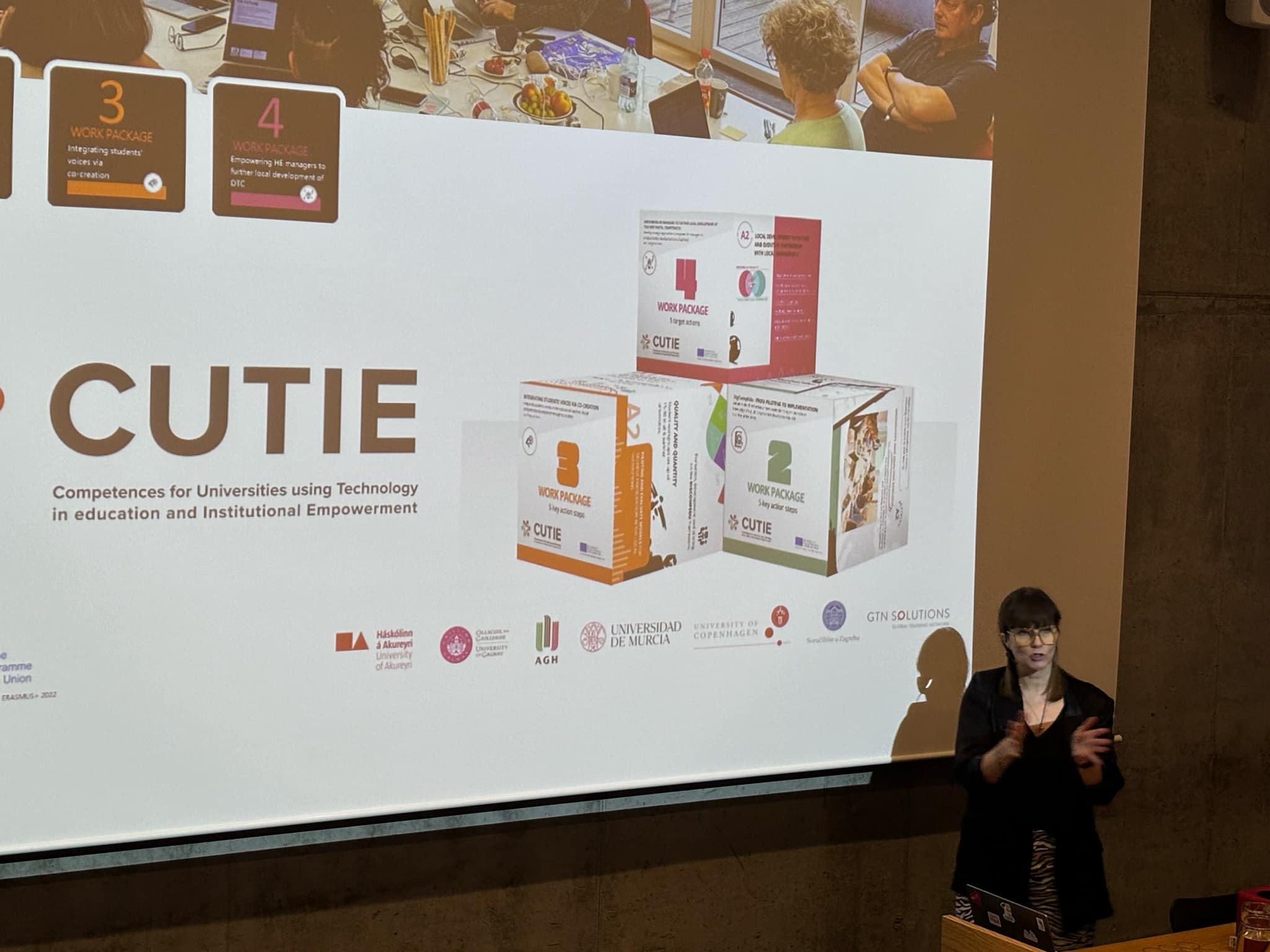
Throughout CUTIE, we have presented our work at conferences, shared insights with
national networks, and strengthened connections with educators across Iceland and
Europe. For a rural university, these opportunities are transformative. They broaden our
horizons, introduce fresh perspectives into our local context, and demonstrate that small
institutions can make a powerful contribution to European educational development.
None of this would be possible without the support of our administrators at UNAK, who
recognise the importance of international collaboration and allow us to participate fully
and meaningfully.
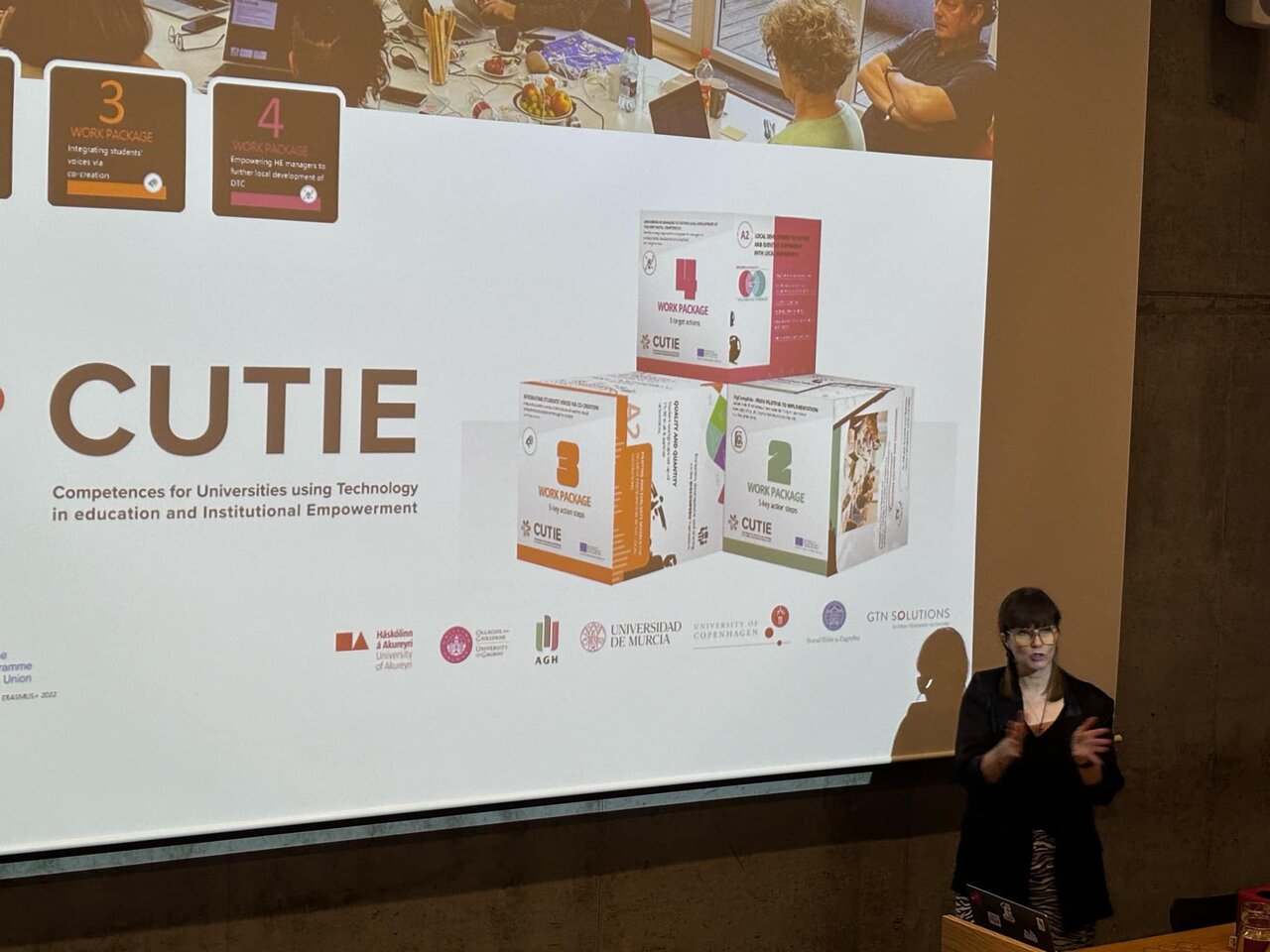
Above all, CUTIE has reminded us why Erasmus+ projects matter. They enrich our
institutions, challenge our assumptions, and bring joy to our work. They create
friendships, spark new ideas, and offer spaces where different cultures, systems, and
experiences blend into something bigger than the sum of their parts.
Working on a project dedicated to strengthening the digital competences of university
staff is deeply aligned with our mission at UNAK. It is work that matters—to our
teachers, to our students, to our institution, and to the communities we serve. It has
been a privilege to walk this path alongside the CUTIE family, and we look forward to
everything still to come.