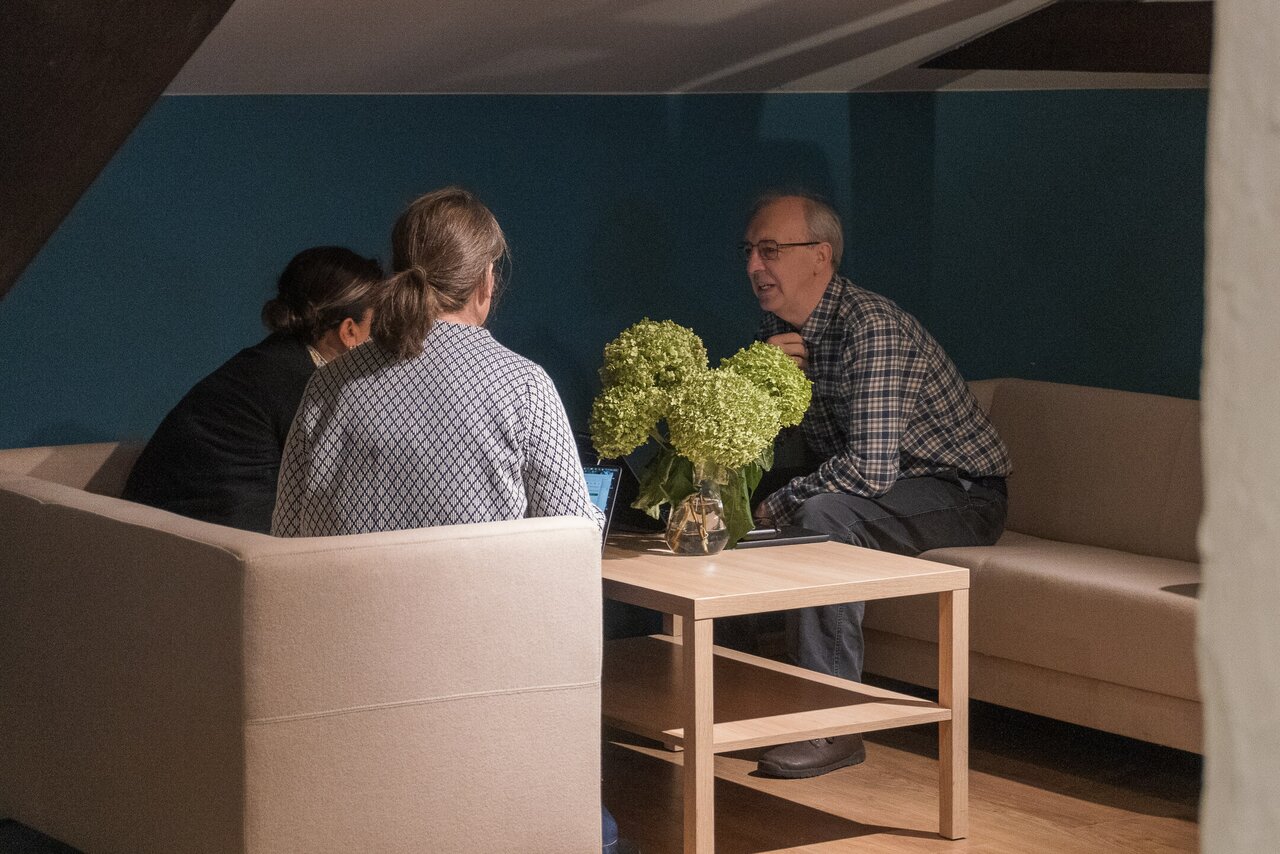
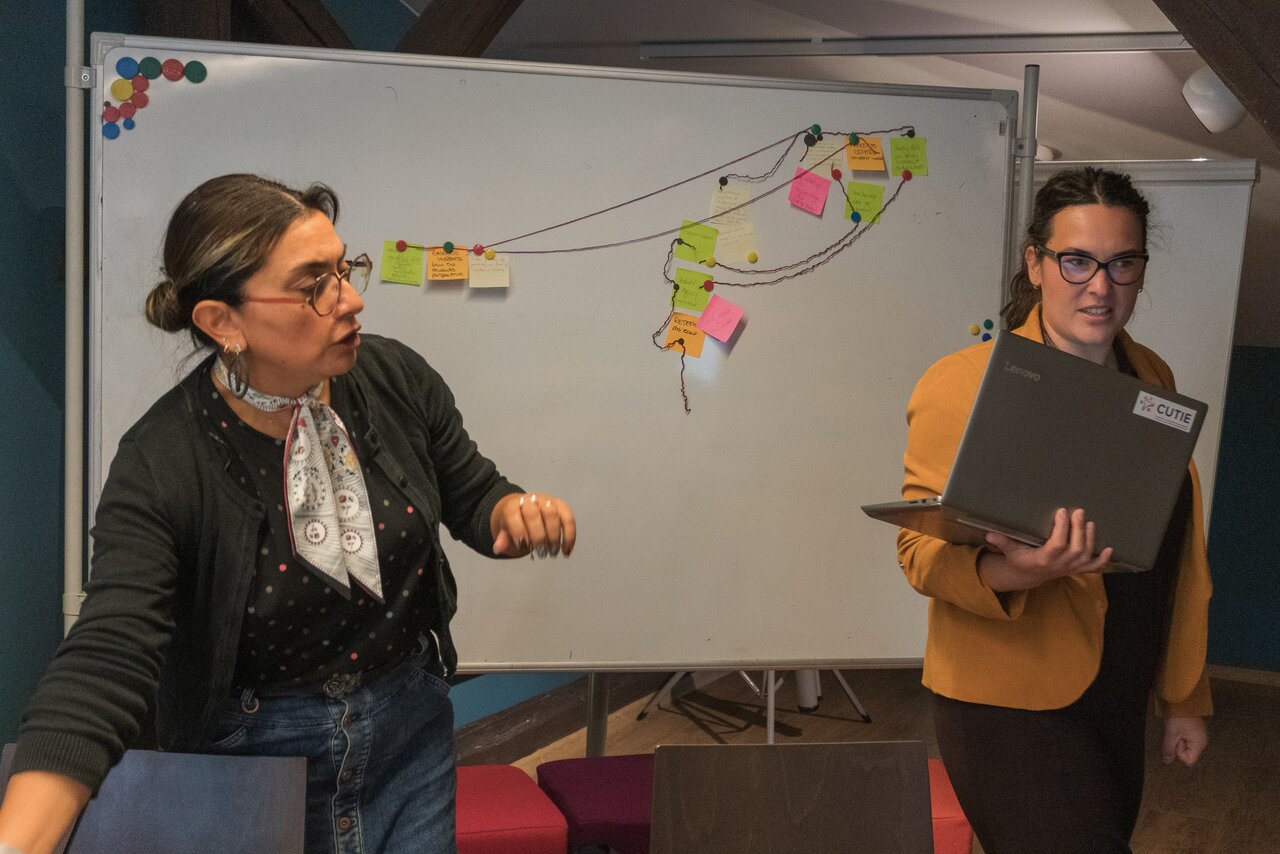
Project Meeting in Krakow
The meeting was dominated by two topics:
- workshops related to the publication of a joint article on the experiences and conclusions drawn from the cooperation and co-creation process between teachers and students.
- activities related to the launch of the Digital Leadership in Higher Education course.
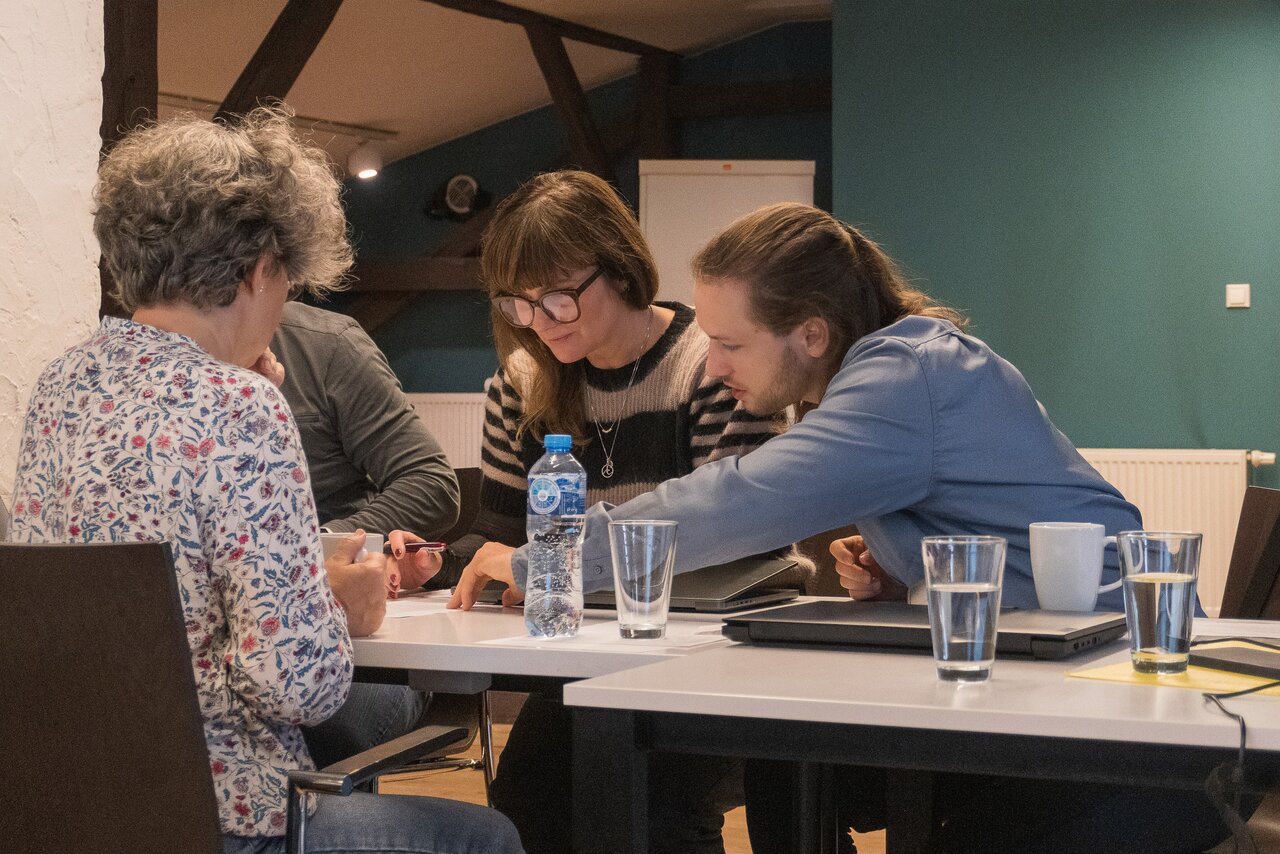
Workshops related to the publication of a joint article
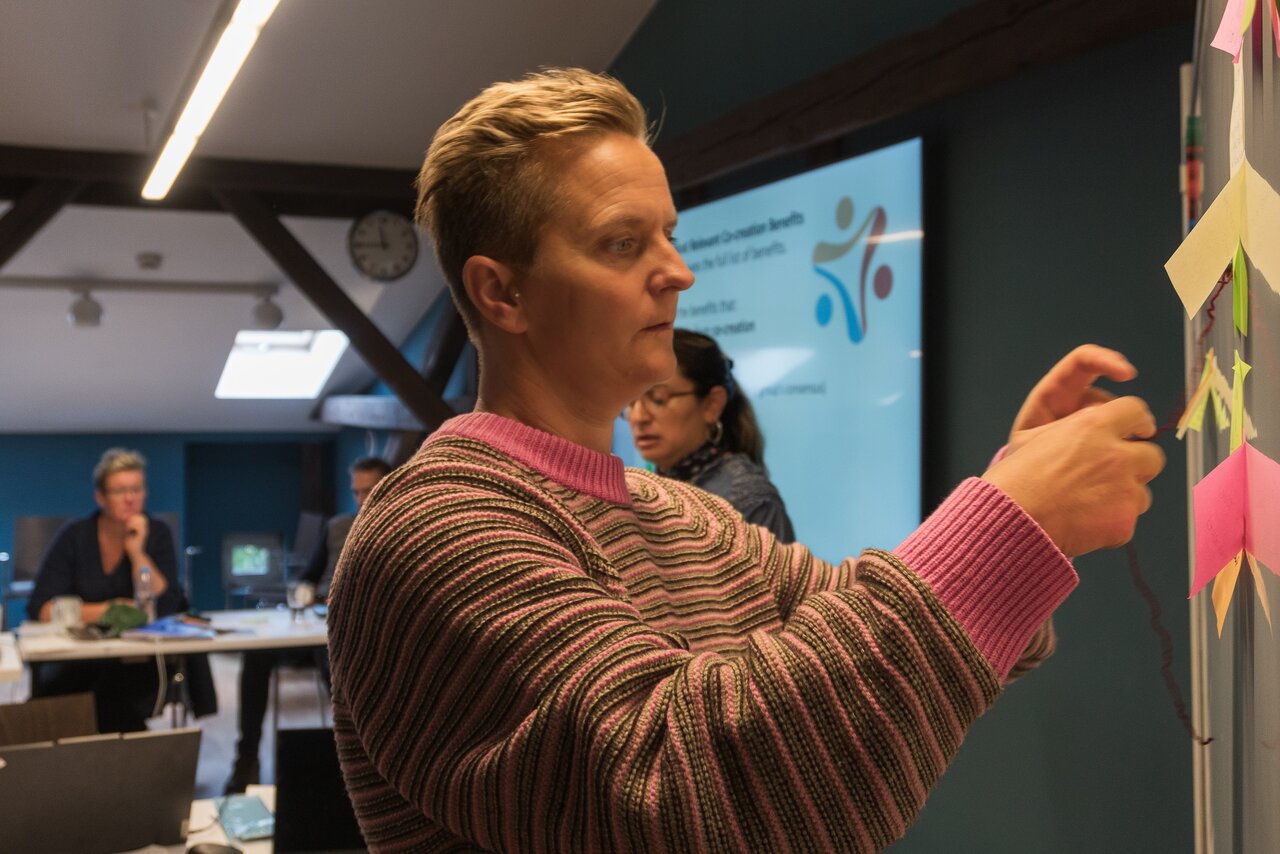
The workshops were prepared and conducted by Linda Castañeda from the University of Murcia. During the workshops, we reviewed the individual guiding principles of co-creating tasks with students, i.e.
- Roles, participation and perspectives, i.e. identifying the strengths and limitations of different participants. Involving students as active participants and creators (planners, moderators).
- Environment, i.e. supporting an inclusive and fair environment based on trust and mutual respect. Distributing power among partners as equally as possible.
- Results and benefits, i.e. highlighting the link between student input and the benefits it brings to all students. Making the co-creation experience meaningful and valuable for both students and teachers.
- Communication, i.e. providing clear guidelines and expectations for smooth and productive collaboration based on trust and transparency through open channels of communication for the exchange of ideas. Everyone should feel comfortable expressing their opinions, and all voices should be heard through regular and ongoing dialogue.
- Methods and models, i.e. using existing models from the literature as ideas for participants to start co-creation activities, taking into account the gap between the three elements: co-creation, digital competences of learners and active participation of students.
- Preparation, i.e. providing tools and training for all participants, while ensuring an open space for co-creation.
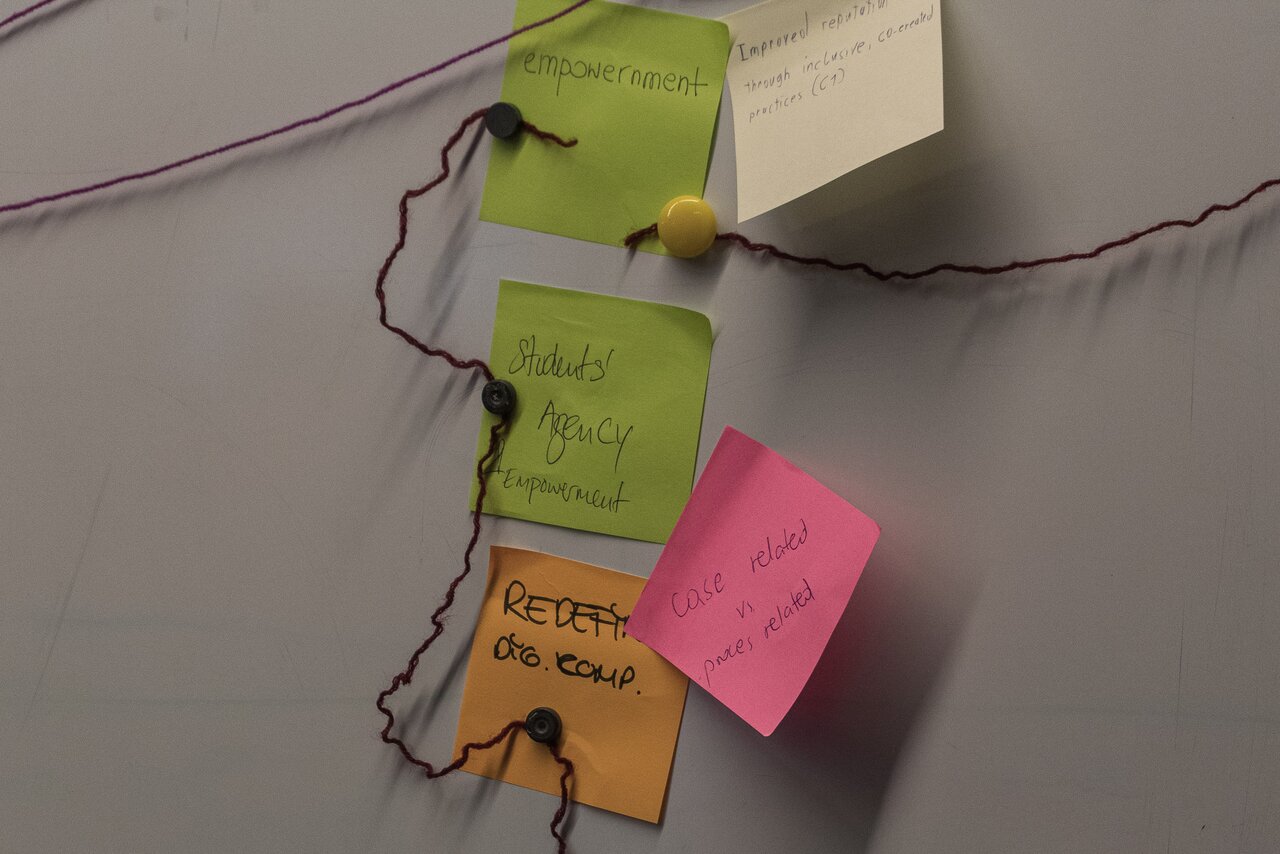
Each of them was analysed in terms of emerging tensions, quotes and preliminary observations of the participants. The discussion was guided by three questions: (1) do we agree with a given principle, (2) which elements need to be clarified or supplemented, and (3) what recommendations can be made to sustain the co-creation process in the long term. The next step was to create a list of the most important recommendations and find potential connections between them.
Digital leadership in higher education course
The course was published on the open courses.ie platform. The ‘Open Courses’ initiative is a professional development strategy in higher education, implemented with the support of public institutions in Ireland. The initiative is coordinated by the National Forum for the Enhancement of Teaching and Learning in Higher Education in Ireland. This forum works in partnership with the Higher Education Authority (HEA), the Irish government agency responsible for the planning and development of higher education. The content of the courses and the process of their development is supervised by these institutions.
The course was partially facilitated. Every Friday from 3 October to 7 November at 2 p.m., there were live online sessions led by successive project partners. The sessions usually included a short presentation of a case study or example of activities/projects carried out at some of the CUTIE partner universities (or related examples) related to the topic of the week. There was always time for questions and discussion, as well as a short break for smaller group discussions, during which the participants were able to discuss a particular question or point of view with other participants.
During our meeting, we recorded a video with all our partners, which was intended not only to encourage participation in the course, but also to introduce the project partners.