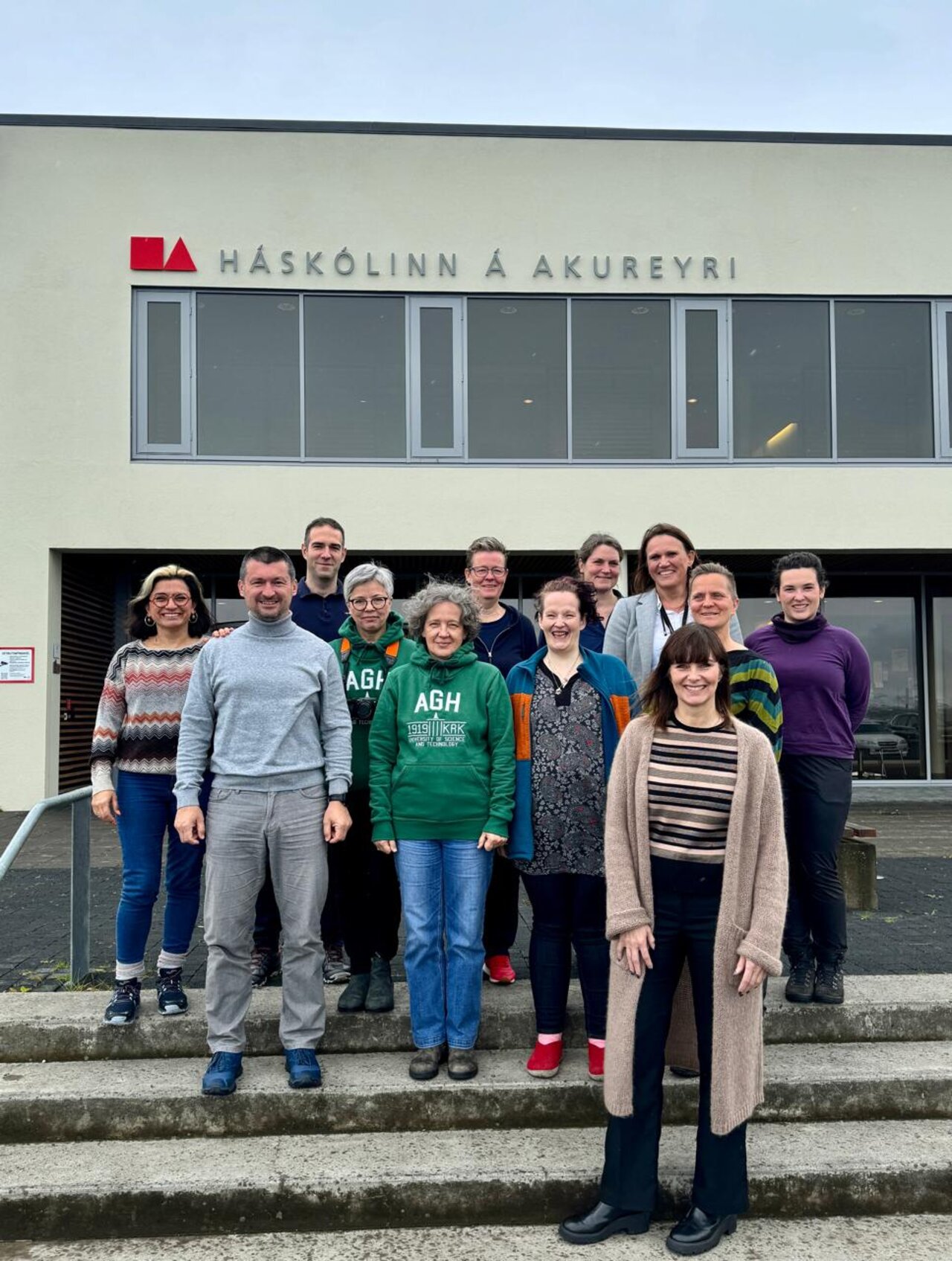
Three Years of CUTIE: A Coordinator's reflection
Coordinating the CUTIE project over the past three years has been both a responsibility
and a privilege. From the beginning, CUTIE set out to address a complex question: How
can universities, as institutions, strengthen staff members' digital competences in ways
that are pedagogically meaningful, institutionally embedded, and sustainable over time?
What we did not fully anticipate was how much the project itself would become a space
for shared learning, trust-building, and professional growth across the partnership.
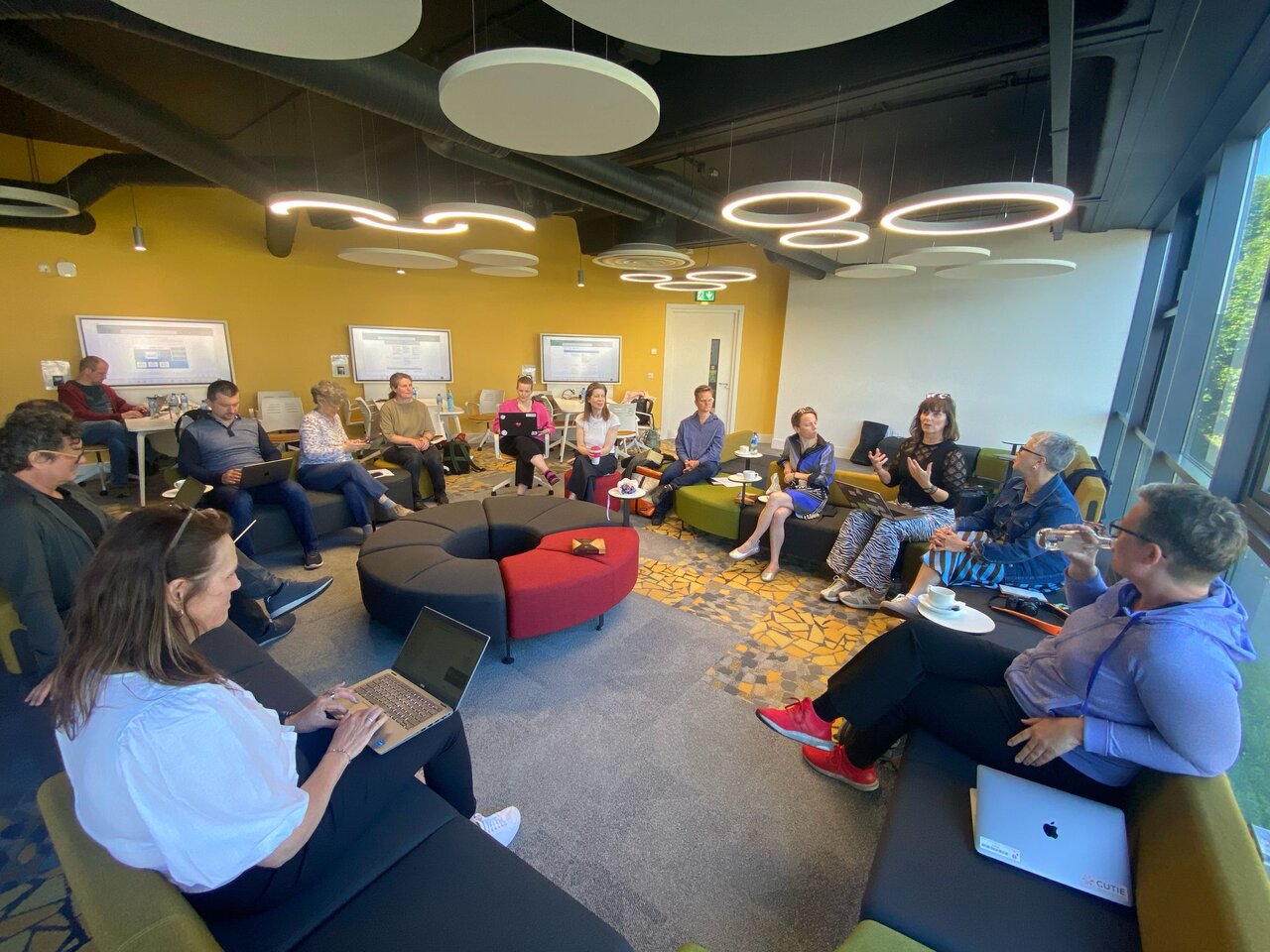
CUTIE brought together partners with different institutional contexts, sizes, and roles,
yet from our early stage, it became clear that we shared a common commitment:
improving digital competences in HE through a thoughtful, inclusive structure.
"CUTIE has shown us that digital transformation is not about tools, but about people -
how we learn together, challenge each other, and create space for meaningful
changes."
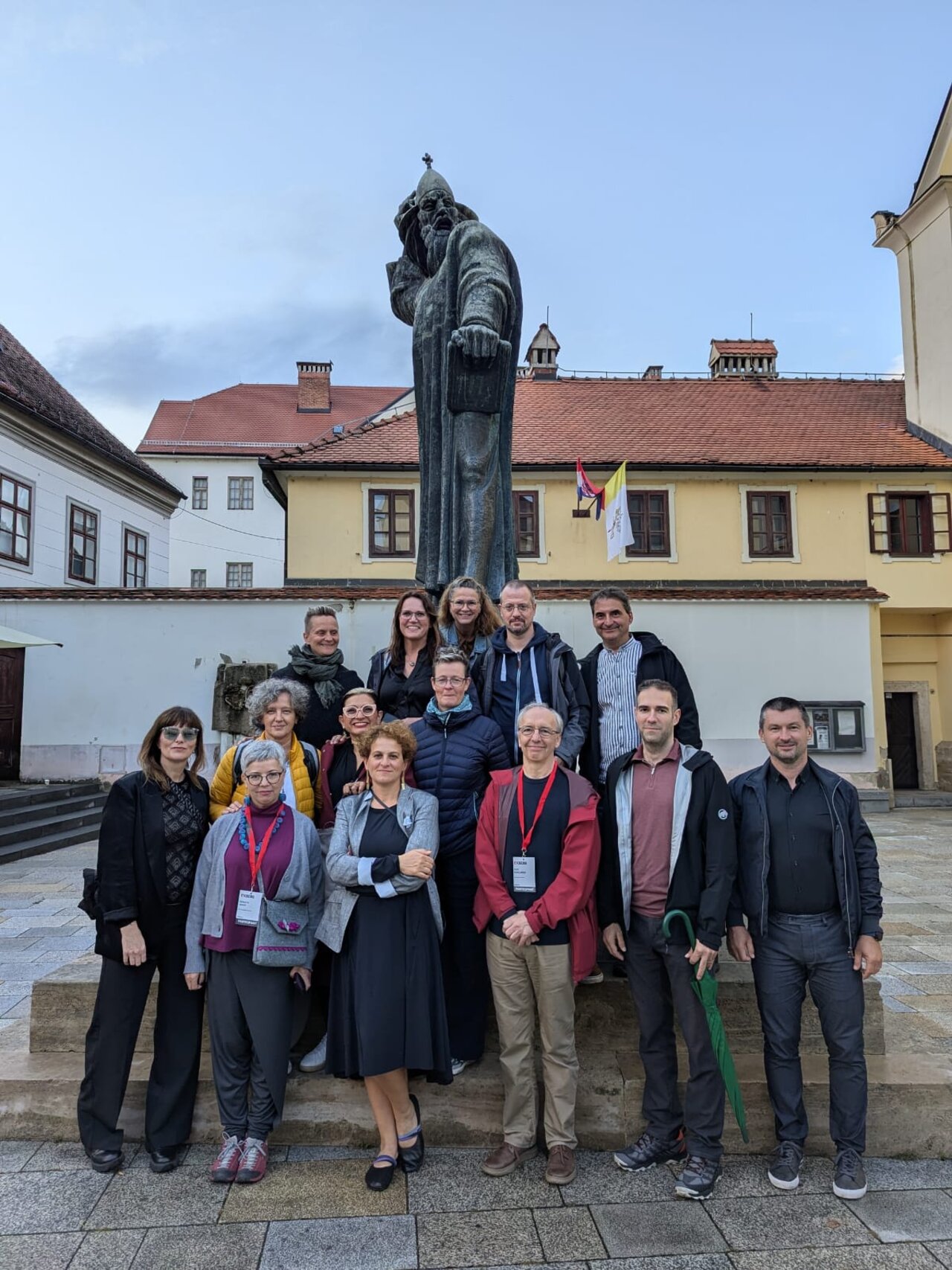
One of the most valuable aspects of the project has been the evolution of collaboration
over time. As many of the partners had previously worked together in the CUTE project,
CUTIE was able to build on an already established foundation of trust, shared
experience, and mutual understanding. This allowed the partnership to move efficiently
into developing a common conceptual framework and a shared language around digital
competence. As the project progressed, collaboration deepened further. Partners
increasingly drew on one another's expertise, adapted approaches across institutional
contexts, and engaged openly in joint problem-solving. As a result, CUTIE developed as
a genuinely co-created project, shaped by the collective knowledge, professional
experience, and perspectives of all partners.
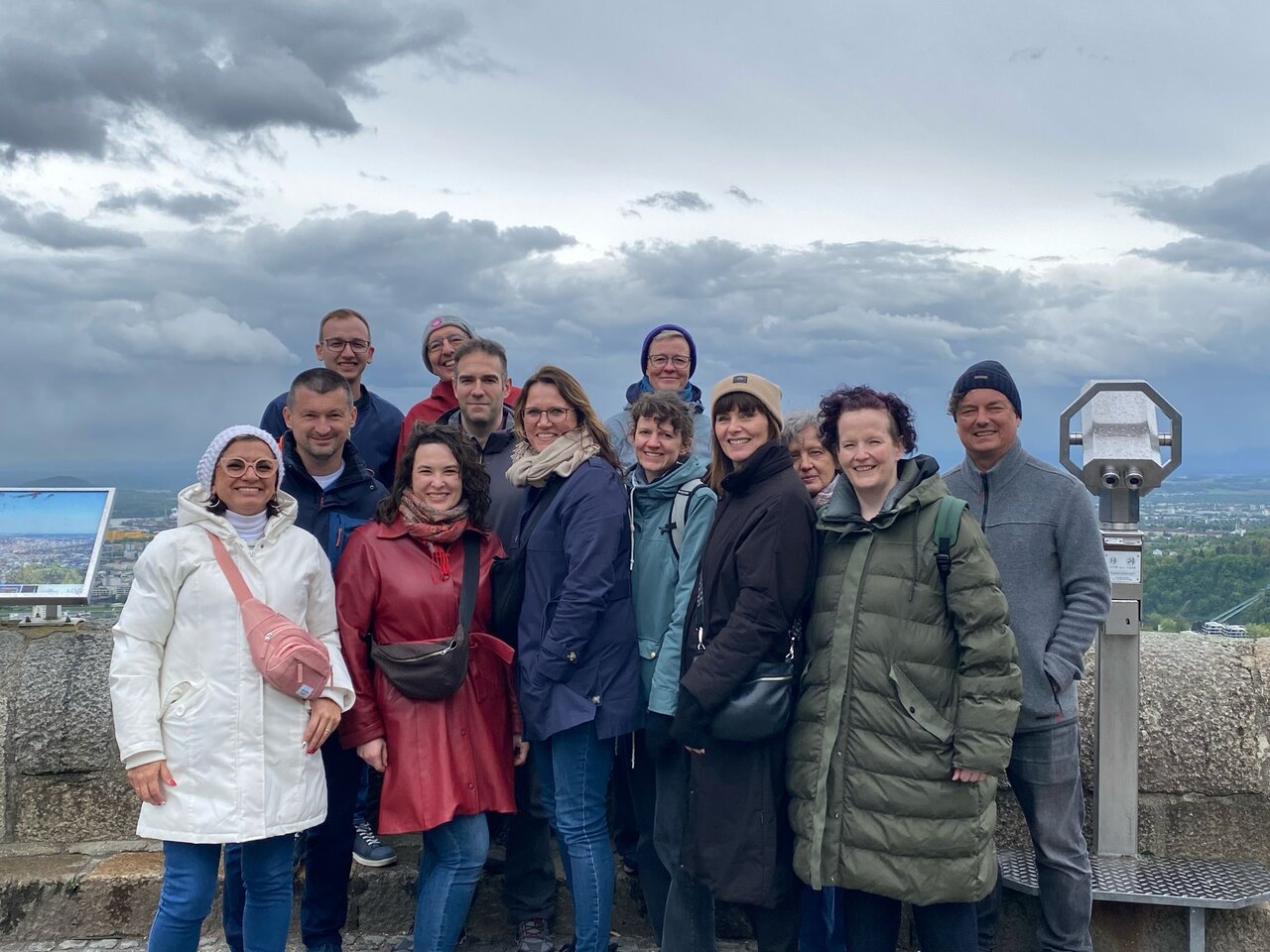
From a coordination perspective, this collaborative culture was essential. Regular online
meetings, clear work package structures, and transparent communication provided
stability, but it was the human dimension—the willingness to engage, reflect, and
support one another—that sustained the project through busy periods. CUTIE
demonstrated that effective project management in Erasmus+ cooperation is as much
about relationships as it is about plans and deliverables.
We are particularly proud of how strongly the project outcomes have travelled beyond
the partnership. Across all work packages, dissemination and reuse were guiding
principles. This is especially evident in Work Package 4 and the online open course for
managers in HE. Seeing participants from a wide range of institutions engage with the
course, reflect on their leadership roles, and use the materials in local development
work has been very rewarding. It confirms the importance of addressing digital
competence not only in teaching practice but also in institutional leadership and
decision-making.
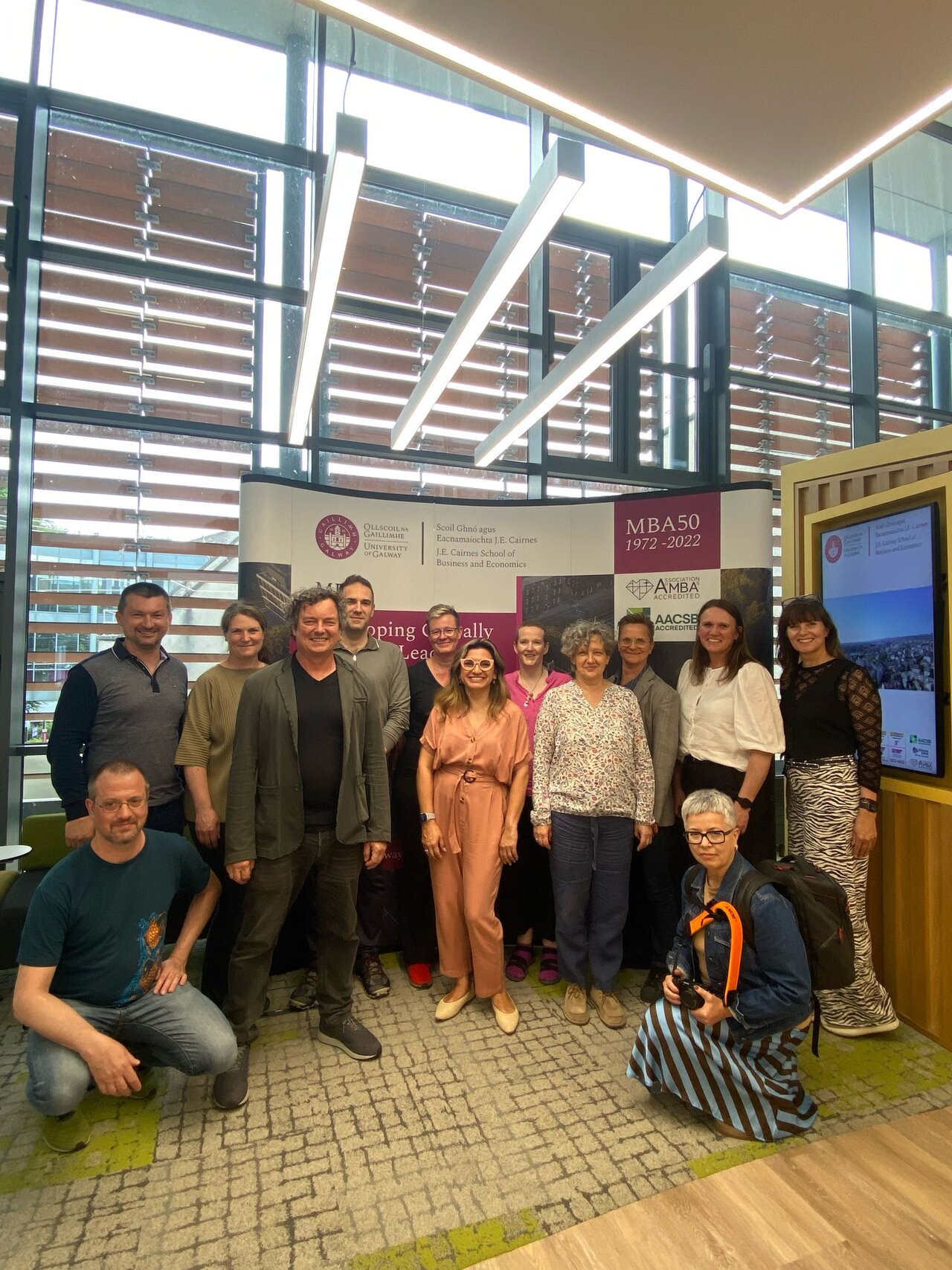
For the partners, CUTIE has offered more than concrete outputs. It has expanded
professional networks, opened new perspectives, and laid the groundwork for continued
collaboration. Some partners are already building on CUTIE's results in follow-up
projects, institutional initiatives, and strategic discussions—an outcome that speaks to
the project's relevance and longevity.
As a coordinator, I am sincerely grateful to all partners for their commitment, work, and
trust. CUTIE has been a shared journey, shaped by collective effort and mutual respect.
Looking back, I am proud not only of what we achieved, but also of how we achieved
it—together as partners and friends, from challenges in work meetings during an
Icelandic summer snowstorm to writing applications/final reports. We appreciate the
cooperation of all participants worldwide, whom we have had the pleasure of meeting
and working with over the past few years. We hope our outputs will inspire other
institutions worldwide.
Helena Sigurðardóttir, coordinator of The CUTIE project