Walking CUTIE from an Austrian Perspective: The GTN Story
GTN works closely with the eEducation community in Austria, which brings together a large number of schools, universities, and educational stakeholders. This wide reach shaped how we approached our contribution to CUTIE. For us, the key question was always: how can this project genuinely support institutions and educators who are already actively working on digital competence development — and do so in a way that is usable, navigable, and sustainable?
One of our main contributions focused on the development and refinement of the catalogue of actions, initiatives, and resources supporting teachers’ digital competence at an institutional level. Rather than creating “yet another repository”, we worked on improving the user experience and navigation so that educators and institutional actors can quickly orient themselves, understand what an action is about, and decide whether it fits their context. This was especially important because the catalogue became part of COMET — a tool already widely used by teachers and institutions in Austria. Bringing CUTIE outputs into an existing ecosystem meant that everything came together naturally instead of living in parallel project silos.
This work connected strongly with the Austrian policy landscape. Austria has developed its own national frameworks and resources based on DigCompEdu, DigComp, and DigCompOrg, and institutions are expected to approach digital competence development in a structured and strategic way. In this context, CUTIE’s focus on institutional development — not only individual skills — was particularly valuable. The resources created within CUTIE align well with existing national mechanisms, such as the Concept Assistant, which supports institutions in planning their digital competence development processes. Seeing these tools and frameworks reinforce one another was one of the most rewarding aspects of the project.
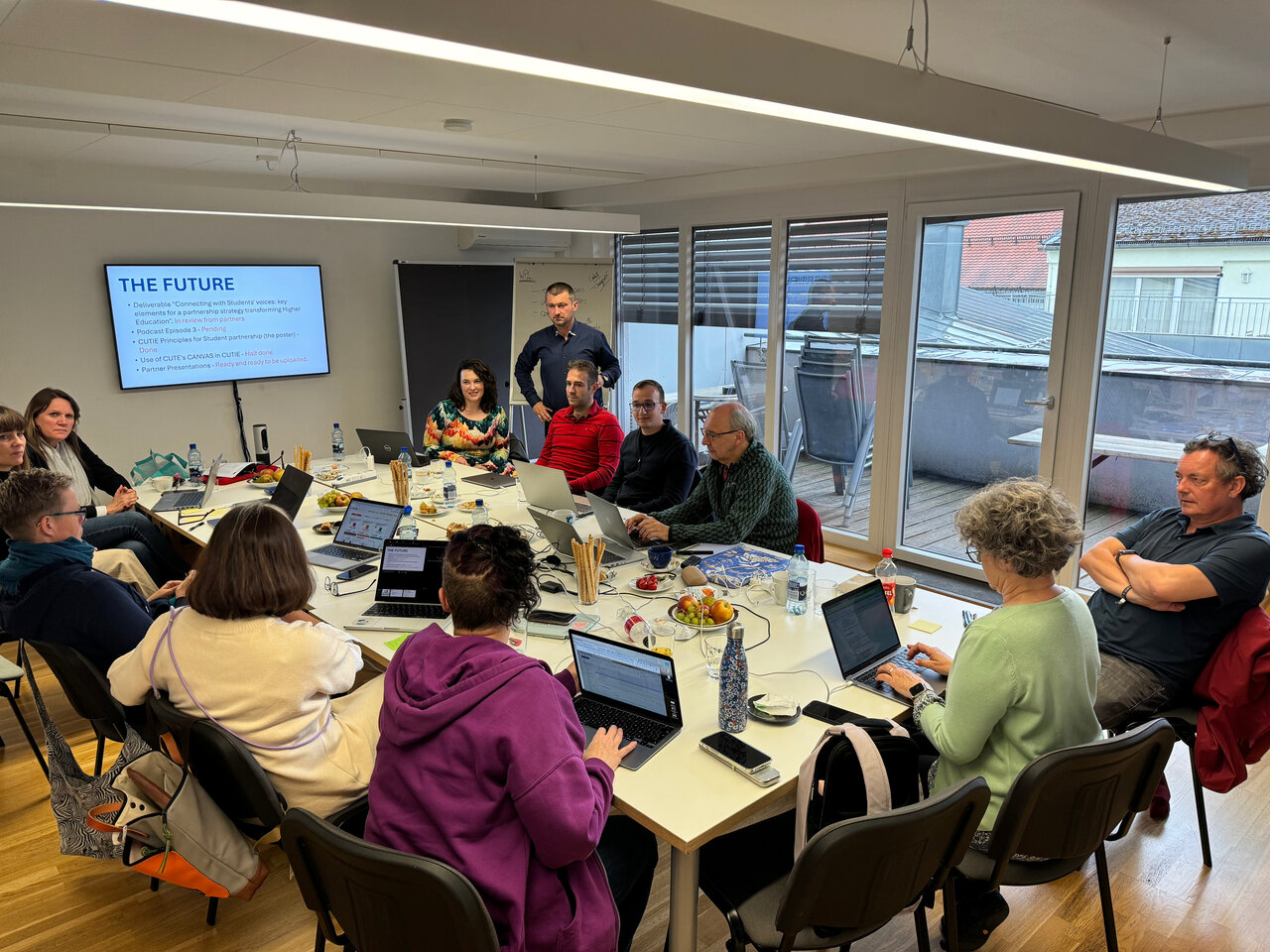
Another dimension that proved especially powerful was the co-creation with students. In the Austrian context, this became a strong and concrete use case for multi-stakeholder planning. CUTIE helped highlight something that is often acknowledged in theory but less so in practice: improving teachers’ digital competence ultimately serves students and their learning experience. Giving students a voice in this process not only enriched the discussion, but also raised awareness that sustainable digital transformation in education cannot happen without them.
We also see great long-term value in the course and materials developed for decision-makers. These resources form a rich and flexible knowledge base that can be reused and adapted by a wide range of educational stakeholders — from schools to universities, from institutional leaders to support units. Thanks to GTN’s networks and outreach in Austria, we are particularly happy that CUTIE deliverables can reach institutions across the country and support them in their own development processes.
CUTIE has shown us how powerful it can be when institutional strategy, practical tools, policy frameworks, and diverse perspectives come together. It offered not just outputs, but a shared way of thinking about teachers’ digital competence as a collective, systemic responsibility.
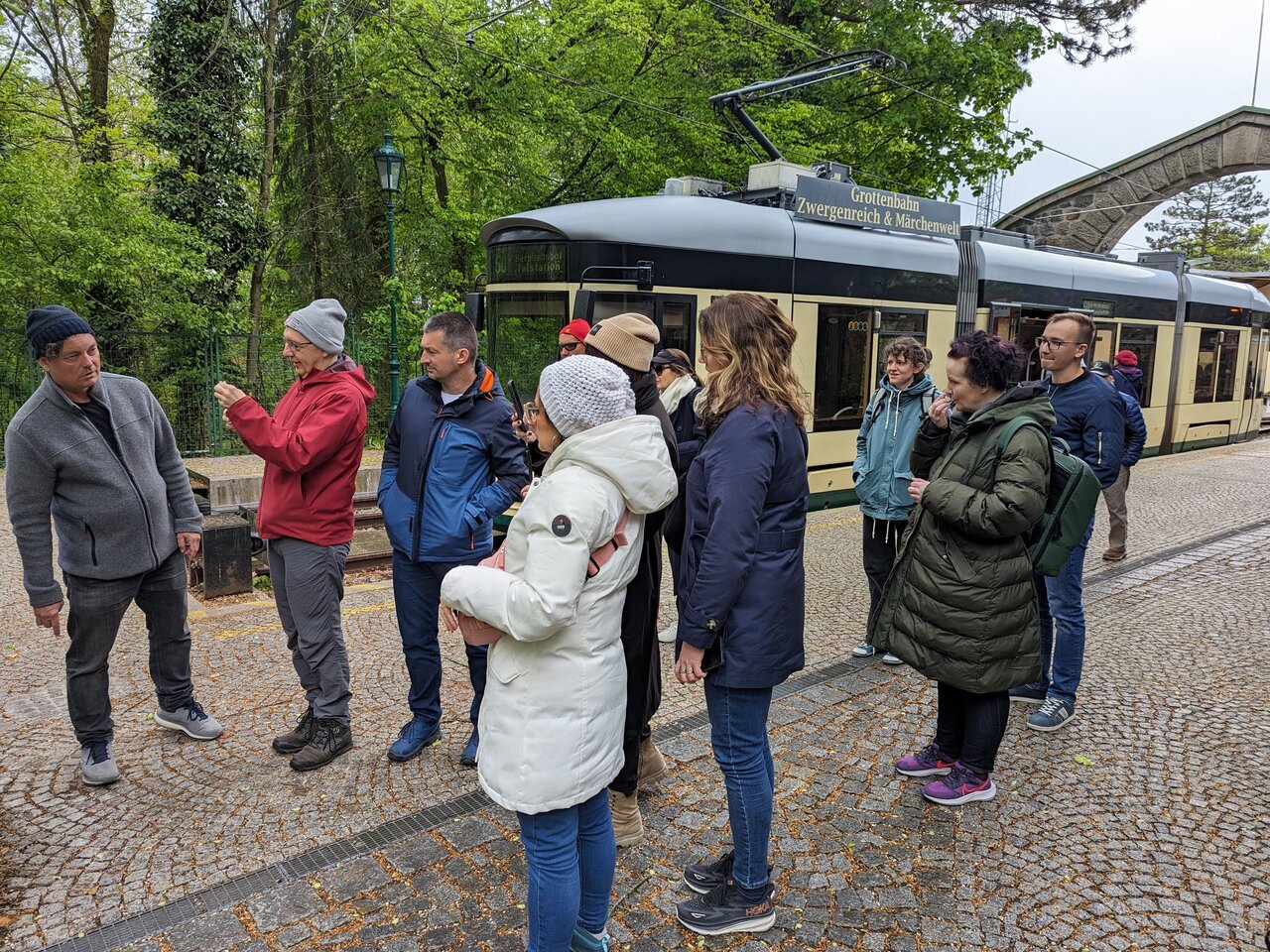
And finally, beyond tools, frameworks, and resources, CUTIE was about people. The trust, openness, and genuine collaboration within the consortium made this project something special. It reminded us that meaningful educational transformation is built not only on well-designed instruments, but on relationships, shared reflection, and the willingness to learn from one another.
We are proud to have walked this path as GTN Austria — and even prouder that the work done within CUTIE will continue to live on in institutions, practices, and conversations well beyond the project itself.