Walking CUTIE together: AGH perspective
Throughout the project, our activities were organised into three interconnected action
packages, aimed at teaching staff, students, and those responsible for managing
teaching and learning. Together, they reflected a shared ambition: to support the
development of digital competences in a systemic way, rooted in the everyday realities
of the university.
Work with teaching staff was grounded in the DigCompEdu framework, which became a
common point of reference across the project. Our goal was not only to make the
framework more accessible—through a Polish translation and a self-assessment
tool—but also to bring it to life in real teaching contexts. We focused on showing how
digital competences play out in everyday academic practice, using narrative approaches
with fictional personas, practical tutorials addressing common teaching challenges, and
courses that built hands-on skills in digital tools and artificial intelligence. A strong
interest in our AI-focused webinars confirmed how important it is to talk about both the
opportunities and the limitations of these technologies, including their ethical
implications.
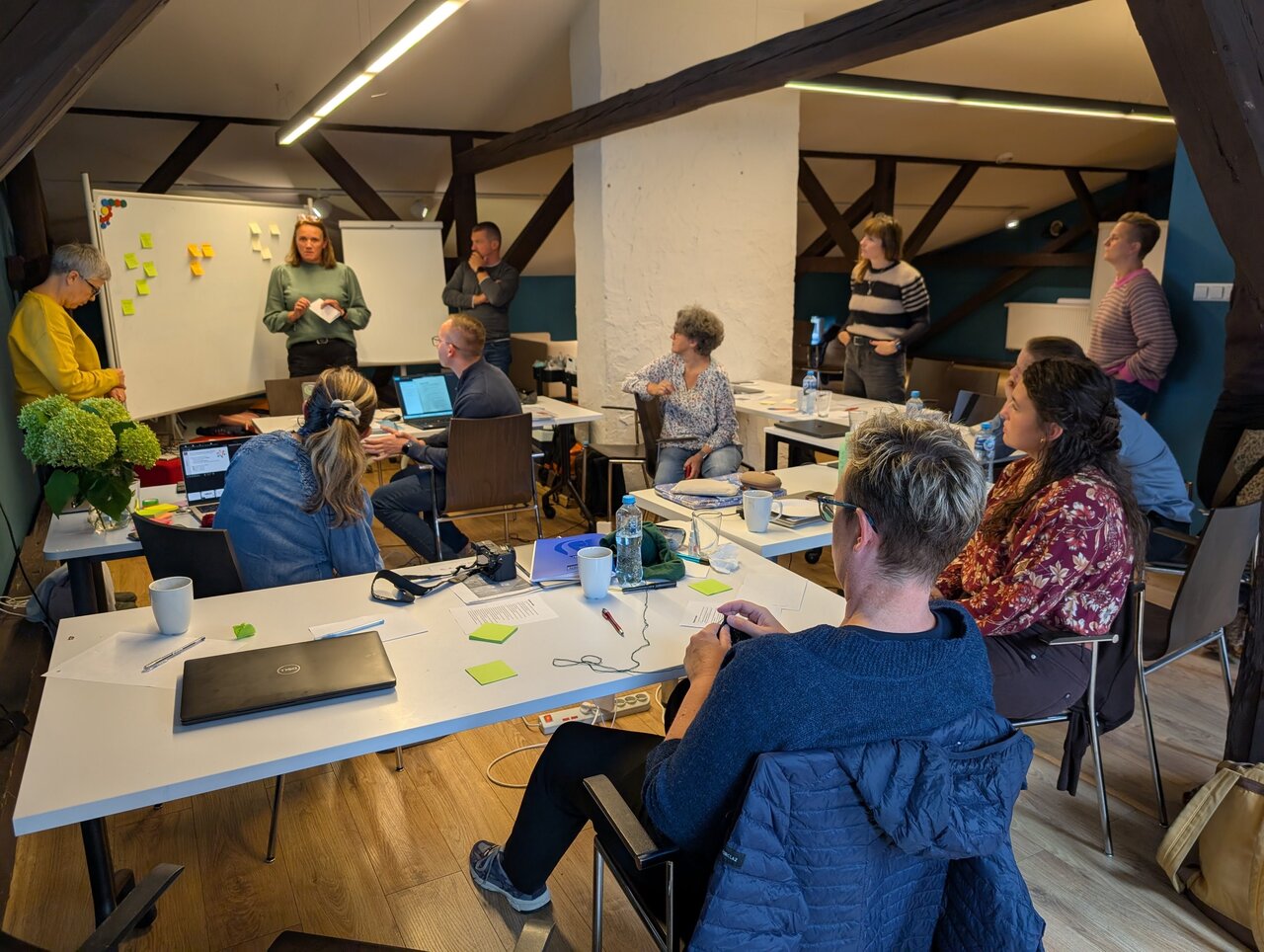
Equally important was the work carried out with students, which introduced a strong co-
creation perspective. Students were invited not just to take part, but to actively shape
educational solutions together with teaching staff. Through webinars, workshops, and
prototyping sessions, they helped identify real needs related to communication,
feedback, and learning motivation. The result was a set of concrete tools and models
designed with everyday academic use in mind.
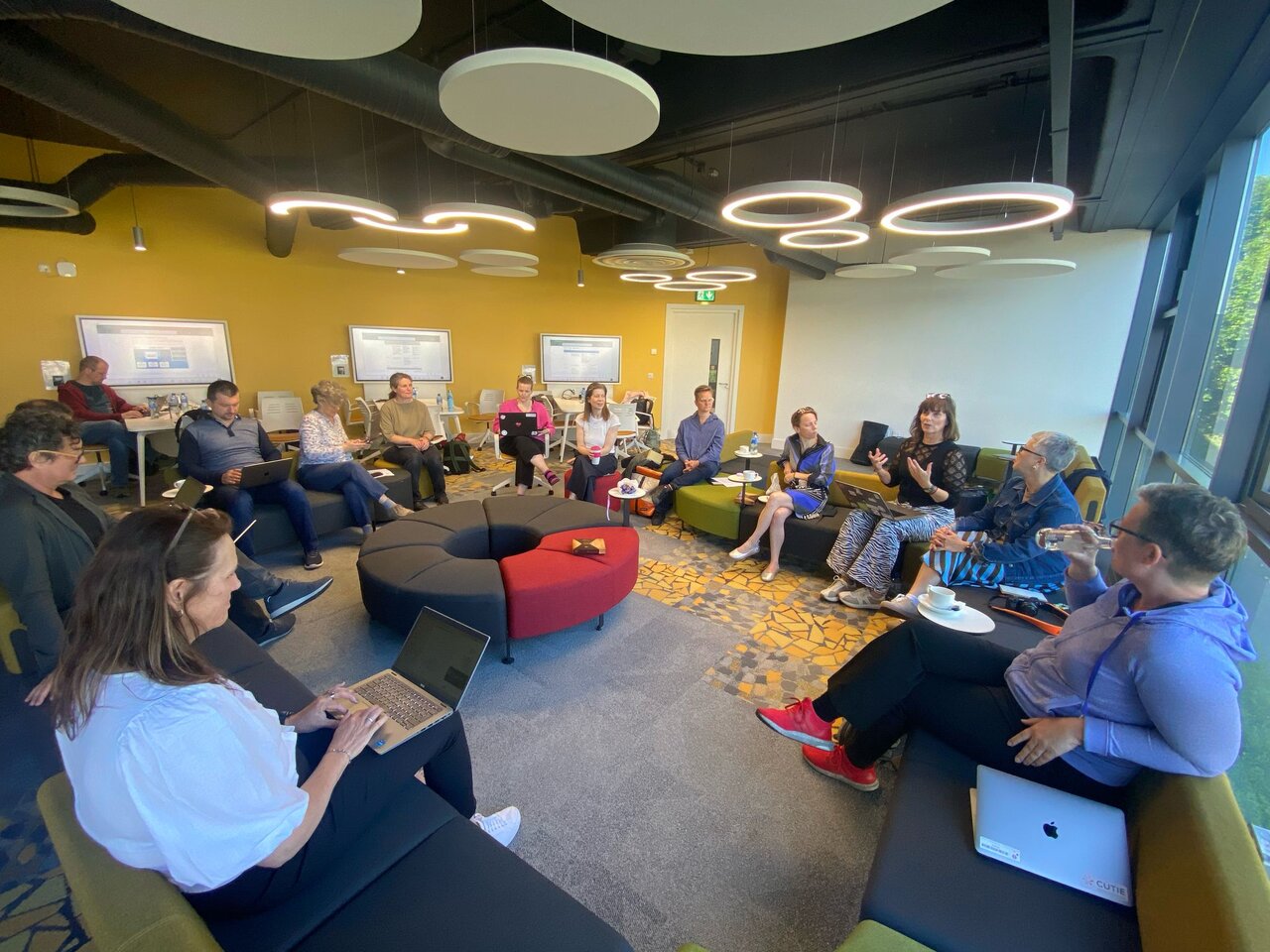
The third action package focused on leadership and the role of management in
supporting digital competence development. At its core was the international online
course Digital Leadership in Higher Education, which clearly showed that meaningful
digital transformation depends on informed and engaged support at the level of middle
management. The experience gained through this course inspired the creation of a
dedicated programme for AGH leadership staff, strengthening a locally grounded
approach to digital development.
From the perspective of the e-learning centre, the project reinforced an important
lesson: developing digital competences is about much more than tools or frameworks
alone. Models such as DigCompEdu only become truly useful when they are translated
into concrete examples, stories, and practices that resonate with everyday teaching. We
also learned how valuable it is to offer support in different formats—combining courses,
webinars, tutorials, and workshops allowed us to reach people with varying needs, skill
levels, and openness to change. Involving students as co-creators proved to be a
particularly powerful approach, helping us better understand learning needs and turn
them into practical, usable solutions. Finally, the project confirmed that lasting change in
digital teaching and learning requires active engagement from those in leadership roles.
In this landscape, the e-learning centre acts as a connector—bringing together teaching,
student, and management perspectives and translating technological change into
meaningful improvements in educational quality and everyday academic practice.